
Hydration Planner: How Much to Drink in Singapore's Heat
A free hydration calculator built for Singapore. Pick your sport, session length and body weight. We check NEA's live heat stress (WBGT) near you and build your before, during and after drink plan.
General guidance for healthy adults, not medical advice. Needs vary — if you have a medical condition, are pregnant or take medication, check with your doctor. Stop and seek help if you feel dizzy, confused or stop sweating.
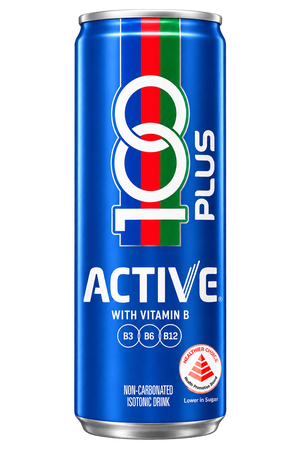
Isotonic with electrolytes, carbohydrates and Vitamins B3, B6, B12 — for running, football, court sports and every active moment.
Buy now →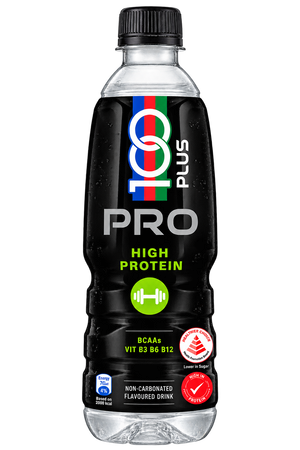
10 g protein, 2 g BCAA, electrolytes and B vitamins — hydration plus muscle recovery for gym, fitness and hybrid racing.
Buy now →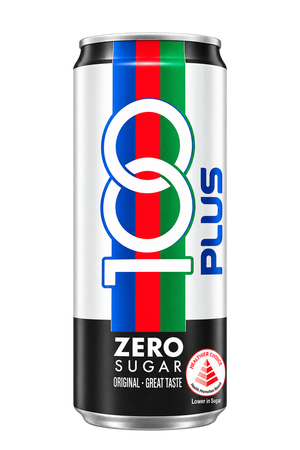
Zero calories, zero sugar — everyday hydration for concerts, days out and life in a humid city.
Buy now →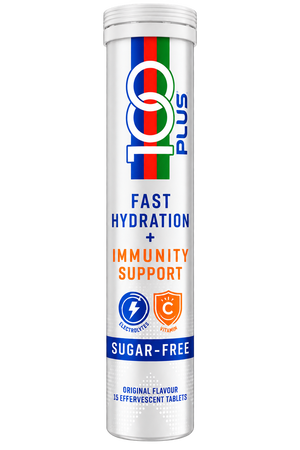
Sugar-free, 5 electrolytes plus Vitamin C. Drop 1 into 200 ml of water — made for travel. 1–2 a day.
Buy now →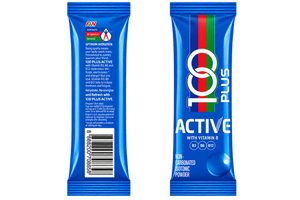
Pack lighter: tear, pour one 15 g sachet into 230 ml of water, shake. Isotonic hydration anywhere.
Buy now →Live heat stress (WBGT) and forecast from the National Environment Agency via data.gov.sg, used under the Singapore Open Data Licence.
Hydration questions, answered
The basics of drinking right for sport in a hot, humid city. General guidance for healthy adults, not medical advice.
How much water should I drink when exercising in Singapore?
It depends on how long and how hard you go, your body weight, how much you sweat and the heat stress on the day. As a general guide for healthy adults:
- Before: about 5–7 ml per kg of body weight, 2–4 hours before you start.
- During: small, regular sips, often around 400–800 ml an hour for sweaty sessions in Singapore's heat.
- After: about 1.25–1.5 times the fluid you lost, spread over the next few hours.
The Hydration Planner above works out your numbers using live heat stress where you are.
What is WBGT heat stress?
WBGT (Wet Bulb Globe Temperature) measures how hard the heat is on your body. It combines air temperature, humidity, sun and wind, so it's a better guide for exercise than temperature alone. Singapore's National Environment Agency (NEA) publishes live readings across the island in three bands: Low (below 31°C), Moderate (31 to below 33°C) and High (33°C and above). When it's High, consider shortening your session, easing off or training at a cooler time.
Should I drink water or an isotonic drink?
For short, easy sessions of under about 45 minutes, water is usually enough. For longer or harder sessions, or in hot and humid conditions, an isotonic drink with electrolytes and carbohydrates helps replace the sodium you lose in sweat and keeps your energy up.
How do I work out my sweat rate?
Weigh yourself before and after a typical session, in minimal clothing and after towelling off. Every 1 kg lost is roughly 1 litre of sweat. Add the amount you drank during the session, then divide by the hours you trained to get your sweat rate per hour. Use the result to choose Light, Average or Salty / heavy in the planner.
Which 100PLUS drink suits which activity?
100PLUS ACTIVE is made for active moments like running, football, basketball, badminton and tennis. 100PLUS PRO High Protein adds 10 g protein and 2 g BCAA for recovery after gym, fitness and hybrid racing. 100PLUS Zero Sugar suits everyday hydration, like concerts and days out. 100PLUS Effervescent Tablets and ACTIVE Isotonic Powder sachets pack light for travel and racing overseas.
How should I hydrate when racing overseas?
Flights, new climates and different drinks on course make it easy to fall behind. Pack light options you can mix with any bottle of water, such as effervescent electrolyte tablets (follow the pack: 1 tablet in 200 ml, 1–2 a day) and isotonic powder sachets for your training runs and race day. Check the race's weather forecast and switch the planner to Overseas to plan for the climate.
What are the signs of dehydration or heat exhaustion?
Watch for thirst, a dry mouth, dark urine, headache, dizziness, muscle cramps, nausea and unusual tiredness. Stop, move to shade, cool down and drink. If someone becomes confused, stops sweating or collapses, treat it as an emergency and call 995.
Can you drink too much during exercise?
Yes. Drinking far more than you sweat, especially plain water over long events like a marathon, can dilute the sodium in your blood (hyponatraemia), which can be dangerous. Aim to replace what you lose rather than drink as much as possible, and include electrolytes on long, sweaty days.
Training & recovery stories
Train smarter with ATHLO+
Coached sessions, lab testing and crews to train with, so your hydration plan has a training plan to match.